

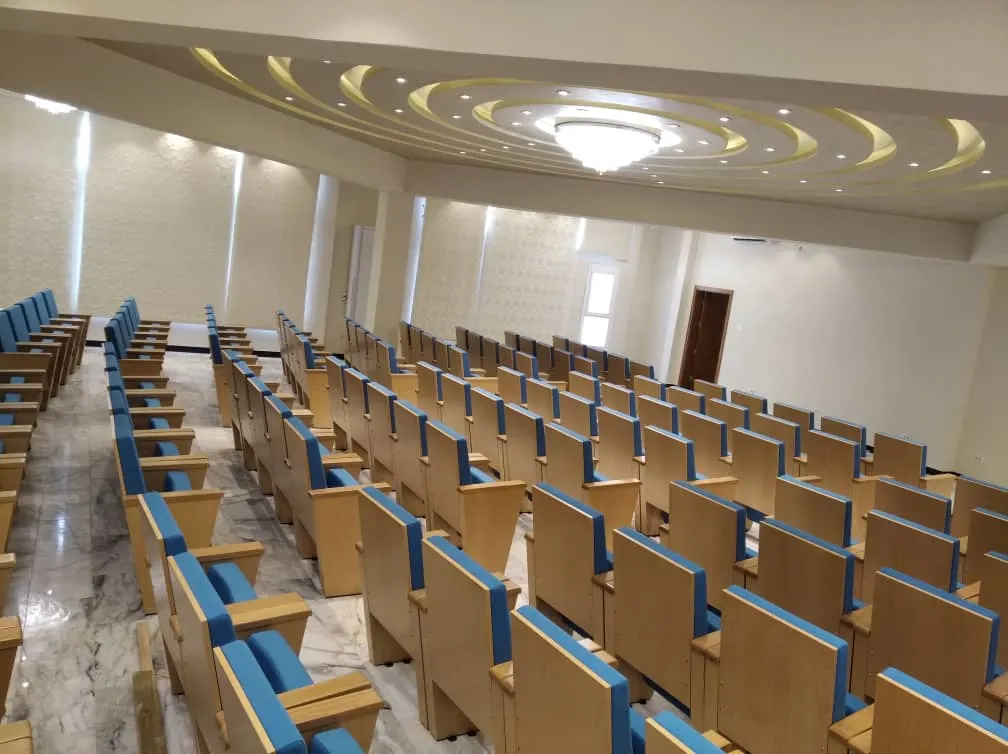
Conference Chairs in the European Workplace
Conference spaces in Europe are shaped by a particular attitude toward work and communication. Meetings are expected to be structured, purposeful, and respectful of time. In these environments, furniture does not aim to impress. It aims to support clarity. The conference chair, in particular, plays a quiet but central role in how discussions unfold and decisions are made.
Across Europe, conference chairs are rarely treated as decorative objects. They are evaluated through use, not appearance. How they support posture, how they behave over long sessions, and how they fit into the rhythm of the room matters far more than visual impact alone.
A Culture of Measured Comfort
European conference culture values balance. Meetings are not meant to exhaust participants, but neither are they designed for relaxation. Seating must reflect this balance.
A well designed conference chair offers controlled comfort. It allows the body to remain supported without encouraging slouching or disengagement. Over time, this balance helps participants stay attentive, even during extended discussions.
Comfort is present, but it remains in the background, exactly where it belongs.
Posture as a Signal of Focus
In European meeting rooms, posture communicates intent. How people sit influences how seriously the discussion is taken and how engaged participants appear.
Conference chairs that support an upright yet natural posture reinforce this atmosphere. They help maintain alertness without creating stiffness. When seating supports the body correctly, attention remains directed toward the table, the speaker, or the shared objective of the meeting.
The chair becomes part of the communication without speaking.
Visual Restraint in Shared Spaces
European interiors often favor restraint over display, especially in professional environments. Conference chairs are expected to align with this sensibility.
Rather than drawing attention to themselves, chairs contribute to a calm and ordered visual field. Consistent forms, balanced proportions, and neutral presence allow the room itself to remain coherent. This visual discipline supports concentration and reduces distraction.
The meeting feels structured before it even begins.
Long Sessions as the Real Test
Conference chairs in Europe are frequently used for sessions that extend well beyond an hour. Board meetings, strategy discussions, and collaborative workshops demand seating that performs consistently over time.
A chair that feels acceptable for the first thirty minutes but becomes uncomfortable later fails its purpose. European expectations prioritize endurance. The chair should feel familiar at the end of the meeting, not demanding.
This consistency supports thoughtful discussion rather than physical restlessness.
Silence and Mechanical Confidence
In professional meeting environments, noise from seating is unacceptable. A creaking or shifting chair disrupts concentration and subtly undermines the seriousness of the space.
European conference chairs are expected to operate quietly and predictably. Stability reinforces confidence. When the chair does not move unexpectedly or produce sound, participants remain focused on the discussion rather than the environment.
Silence becomes part of professionalism.
Materials Chosen for Longevity
European workplaces often emphasize long term value over frequent replacement. Conference chairs are selected with durability and aging behavior in mind.
Materials are expected to remain stable, visually consistent, and structurally reliable over years of use. A chair that deteriorates quickly sends the wrong message about the organization that uses it.
Longevity here is not only practical. It is cultural.
Adaptation Across Different Work Styles
While there is a shared European approach to conference spaces, usage styles still vary. Some rooms host formal board meetings, others encourage collaborative exchange. Seating must support both without losing coherence.
A well designed conference chair adapts naturally. It feels appropriate in formal settings and comfortable in more open discussions. This adaptability allows organizations to use their spaces flexibly without constant changes.
The chair supports the room, not the other way around.
Everyday Use Without Intervention
Conference chairs are used daily, often without thought. Their success lies in how little attention they require.
When chairs perform reliably, they fade into the background of daily operations. Meetings start on time. Participants remain seated comfortably. No adjustments or explanations are needed.
This reliability builds quiet trust in the space.
When Seating Supports the Way Europe Works
European conference chairs are not designed to stand out. They are designed to support how people work together. Through balanced comfort, visual restraint, and long term reliability, they contribute to environments where focus and discussion can take precedence.
When a conference chair does its job well, it becomes part of the working rhythm of the room. It holds posture steady, attention forward, and interaction clear. In doing so, it reflects a broader European approach to professional spaces: thoughtful, restrained, and built to last.
Created By : Monseat